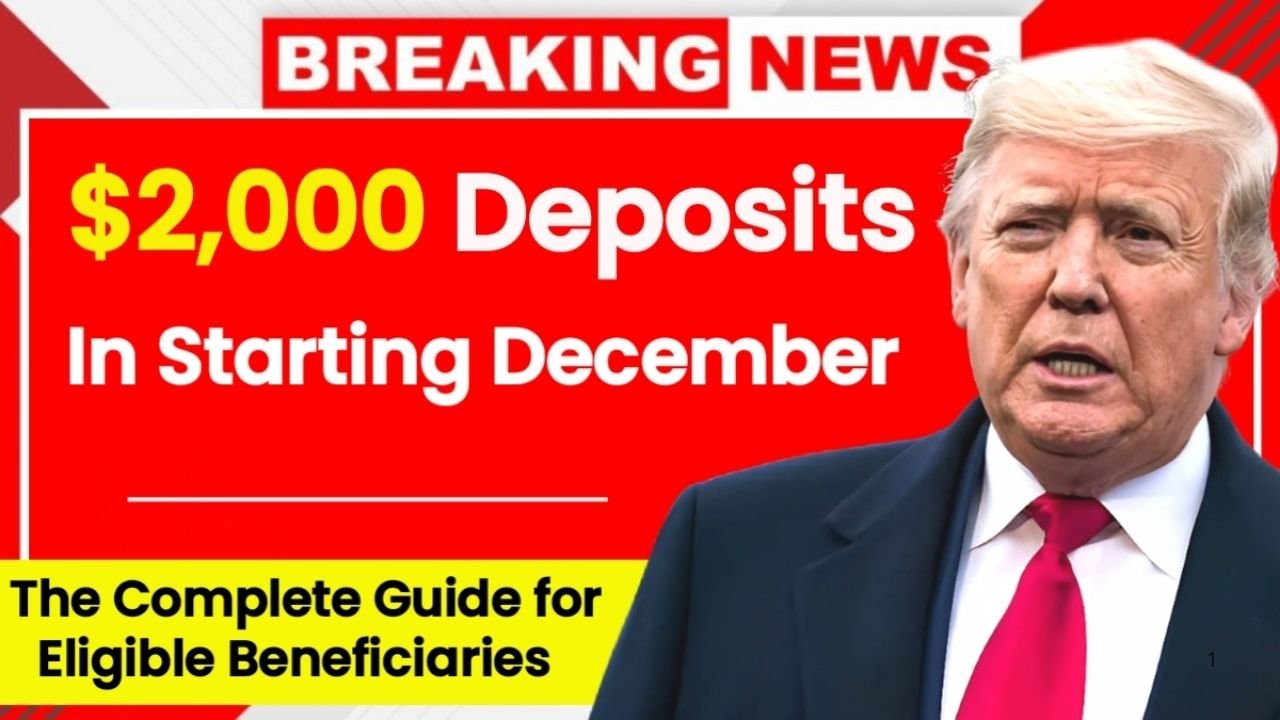
As 2025 comes to a close, discussions about a potential $2,000 direct deposit for eligible U.S. citizens are gaining attention. With households facing higher grocery bills, fuel costs, and housing expenses, many Americans are looking for financial relief. Although the payment has not yet been officially approved, understanding how it may work, who could qualify, and what steps to take now can help families prepare in advance.
Why the $2,000 Payment Could Matter
Rising costs have stretched household budgets nationwide. The proposed $2,000 deposit is designed to:
- Provide short-term relief for bills, groceries, transportation, and medical expenses
- Support seniors and disabled individuals on fixed incomes
- Assist low- and middle-income families affected most by inflation

While it is not a long-term solution, the deposit could help millions manage unexpected expenses and seasonal costs during the holiday period.
Who Might Qualify
Eligibility will likely follow income thresholds similar to past federal relief efforts:
- U.S. citizens and lawful residents with valid Social Security or Taxpayer Identification Numbers
- Individuals and families below certain income limits may receive the full $2,000
- Government benefit recipients (Social Security, SSI, VA, Railroad Retirement) may receive automatic deposits without separate applications
Quick Tips:
- Keep IRS records up to date
- Ensure bank accounts and addresses are current
- File all pending 2024 tax returns to avoid verification delays
How the Payment Could Be Delivered
Automatic payments through federal systems provide a fast and secure way to distribute funds:
- Direct deposit is expected to be the primary method
- Funds may be sent using existing IRS and Social Security records
- Automatic distribution reduces administrative delays and avoids paperwork

Those who already receive benefits via direct deposit would likely see the $2,000 arrive through the same accounts.
Expected Timeline
If approved, the earliest payments could begin in late October or November 2025:
- Direct deposits issued first for faster delivery
- Paper checks or prepaid debit cards, if used, could arrive later
- Payment batches will be phased to manage volume and reduce errors
The exact dates depend on congressional approval, IRS readiness, and funding allocations. For now, all timelines are estimated.
Staying Safe from Scams

Fraudulent messages claiming to provide early access are spreading online. Protect yourself by:
- Ignoring emails, calls, or texts requesting personal information
- Visiting only official sources like IRS.gov or SSA.gov
- Reporting suspicious messages to help prevent identity theft
Quick Reminder:
The IRS will never ask for Social Security numbers or banking info through phone, email, or text.
How to Prepare
- Update IRS records with current addresses and banking info
- File any outstanding taxes to ensure eligibility
- Double-check personal information to prevent rejected deposits
- Monitor official IRS announcements for confirmed timelines
Taking these steps ensures a smoother payment process once the program is approved.
Broader Economic Impact
A one-time $2,000 deposit could also boost local economies. Spending on essentials like food, gas, and household goods increases community business activity. Economists note that targeted relief can stabilize economic growth and provide temporary support during inflationary periods.
FAQs
1. Has the $2,000 direct deposit been approved?
Not yet; Congress and the IRS must finalize approval.
2. How will the funds be delivered?
Primarily via direct deposit; paper checks are less likely.
3. Who is eligible?
U.S. citizens and lawful residents with updated IRS records; income thresholds apply.
4. When could payments arrive?
Potentially late October or November 2025, in phased batches.
5. How can I avoid scams?
Rely only on IRS.gov or SSA.gov; never share personal info with unknown contacts.
Conclusion
The potential $2,000 direct deposit could offer critical financial relief for millions of Americans. By updating IRS information, filing taxes on time, and staying alert to scams, taxpayers can prepare to receive funds efficiently. Keeping informed through official channels ensures families and individuals are ready if the program is approved.