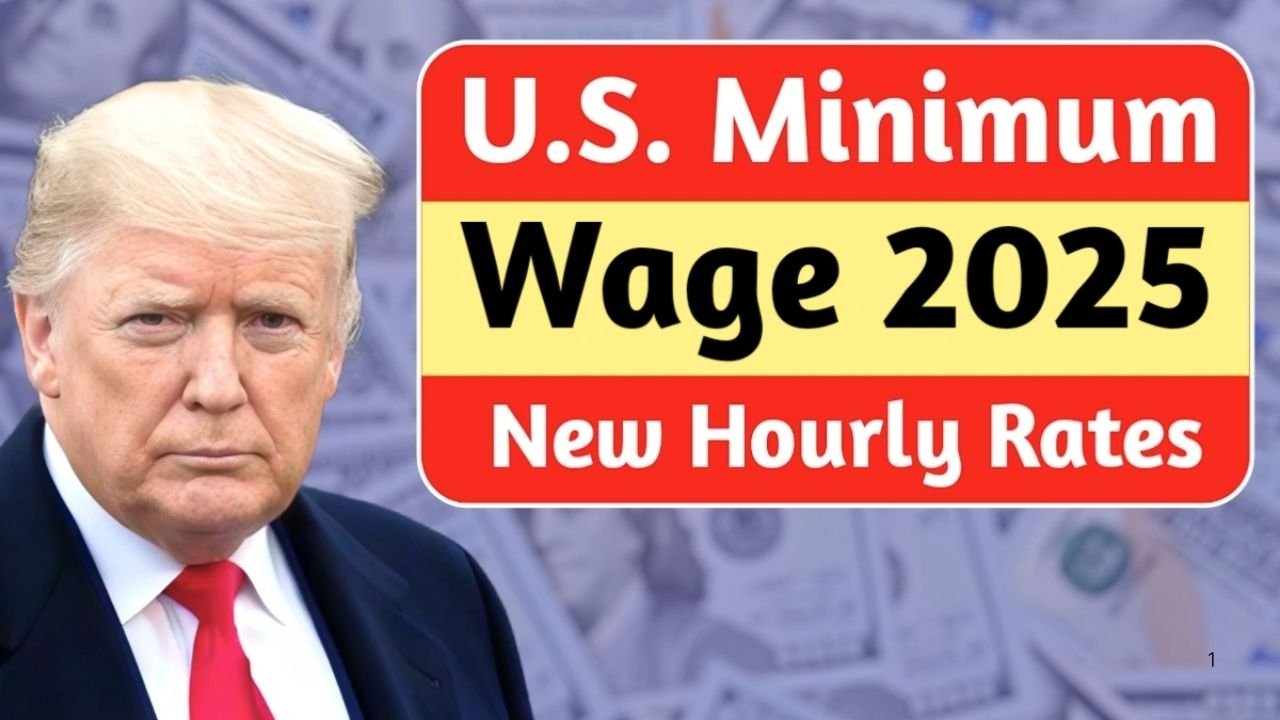
Millions of American workers are set to see a pay raise with the new minimum wage rates effective December 2, 2025. Rising living costs, inflation, and higher expenses for housing, groceries, and healthcare have prompted several states and cities to update hourly pay standards. From retail and hospitality to healthcare and food service, this increase will impact low and moderate income workers nationwide. Understanding the new rates, eligibility, and implementation is essential for both employees and employers.
Why the Minimum Wage Is Rising in 2025
The 2025 wage adjustments are driven by ongoing economic pressures and advocacy from labor groups. Cost-of-living adjustments in multiple states aim to keep wages aligned with inflation. With everyday expenses climbing, policymakers are ensuring workers earn a livable wage to support household stability. The December 2 effective date marks the start of updated state and local wage laws designed to benefit millions of hourly workers.
Which Workers Will Benefit

The wage hike affects hourly employees in industries with traditionally lower pay. Key groups include:
- Retail and fast-food staff
- Hotel and hospitality employees
- Caregivers and childcare workers
- Delivery and warehouse workers
- Healthcare and service sector staff
Tipped workers and part-time employees may also see higher take-home pay depending on state rules, ensuring they meet the full minimum wage if tips do not cover the gap.
New Minimum Wage Rates by State and Locality
| Category | Hourly Rate Effective Dec 2, 2025 |
|---|---|
| Federal Baseline | $7.25 (unchanged) |
| States Increasing Wages | $12.00 – $18.00 |
| Cities/Counties With Higher Rates | $17.00 – $20.50 |
| Tipped Worker Rates | Adjusted by state laws |
| Annual Inflation Adjustment | Applied in some states |
| Effective Date | December 2, 2025 |
How State Policies Differ
- Federal vs. state: Some states stick to the federal $7.25 rate, while others implement higher minimums to reflect local economic conditions.
- Leading states: California, New York, Washington, and Massachusetts have some of the highest minimum wages.
- Local mandates: Certain cities exceed statewide rates due to higher living costs.
- Automatic adjustments: States like Arizona, Colorado, Minnesota, and Maine increase wages annually based on inflation indexing.
Key Benefits of the 2025 Minimum Wage Increase
- Increased earnings for low wage and part-time workers
- Stronger financial support for families facing inflation
- Reduced need for multiple jobs to cover expenses
- Boost to local economies through higher consumer spending
Impact on Employers and Small Businesses
While workers benefit, small businesses face higher payroll costs. Employers may need to:
- Adjust budgets and staffing plans
- Review pricing strategies
- Enhance productivity through training and technology

Many economists suggest that higher wages ultimately stimulate local economies, benefiting businesses in the long run.
What Workers Should Do Before December 2
- Review payroll and updated state minimum wage charts
- Confirm if city or county rates exceed state minimums
- Check base rates for tipped employees to ensure compliance
- Use online wage calculators provided by state labor departments
Special Rules for Tipped and Young Workers
- Tipped employees must earn at least the full minimum wage when combined with tips
- Trainees and young workers may receive lower introductory rates in some states, though wage gaps may narrow under new 2025 legislation
FAQs
1. When does the new minimum wage take effect?
December 2, 2025.
2. Will all states increase the minimum wage?
No. Rates vary by state and locality; some remain at the federal $7.25 baseline.

3. Who benefits most from the increase?
Low-wage hourly workers in retail, hospitality, service, and care sectors.
4. How does this affect tipped workers?
Employers must ensure tipped employees earn at least the minimum wage after tips.
5. Will the increase impact small businesses?
Yes, businesses may adjust payroll and prices, but higher wages can boost local consumer spending.
Conclusion
The U.S. minimum wage increase effective December 2, 2025 marks a significant step toward improving financial stability for millions of workers. With hourly rates ranging from $12 to over $20 in some cities, employees will enjoy meaningful increases in earnings. Understanding updated rules ensures smooth implementation, compliance, and maximum benefit for workers and employers alike.